
Celebrity
Who Is Turquoise Brown? The Untold Story of Julius “Dr. J” Erving’s First Wife, Her Life, Family, Lifestyle, and Legacy

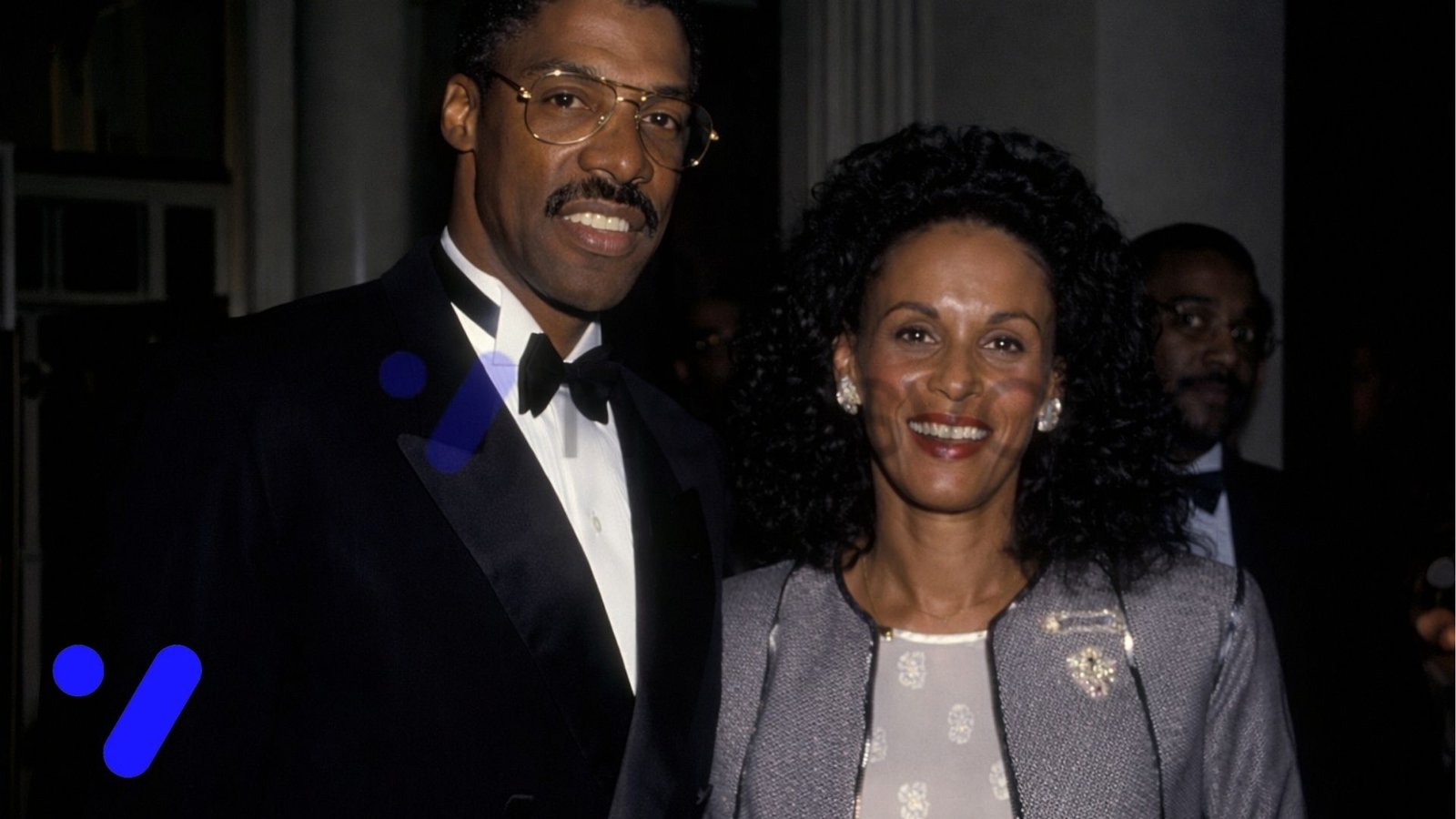
Turquoise Brown, widely recognized as Turquoise Erving, became known to the public as the first wife of basketball legend Julius “Dr. J” Erving. Although she was not a professional athlete herself, her life became closely tied to the rise of one of basketball’s most influential figures. During the 1970s and 1980s, when Erving dominated the ABA and NBA, Turquoise Brown was frequently seen supporting him at games, award ceremonies, and charity events.
Beyond simply being the spouse of a sports icon, Turquoise Brown played a unique role in documenting the emotional and social pressures that come with fame. Her widely discussed 1977 article in The New York Times offered readers a rare perspective on the realities behind the glamorous lifestyle associated with professional athletes. Through family experiences, public appearances, and personal struggles, she became part of basketball history during one of the sport’s most transformative eras.
Turquoise Brown Quick Biography
| Attribute | Details |
|---|---|
| Name | Turquoise Erving (née Brown) |
| Famous For | The first wife of basketball legend Julius Erving and her advocacy about the life of an NBA superstar’s spouse |
| Birthplace | United States |
| Nationality | American |
| Profession | Homemaker and writer |
| Marital Status | Divorced |
| Marriage | Married Julius Erving in 1972 |
| Divorce | 2003 |
| Children | Julius III, Jazmin, Cory (deceased), Cheo (adopted) |
| Residences | Roosevelt, Hempstead, Upper Brookville (New York), Florida |
| Known For | Being part of the public family tree of Julius Erving and writing about the challenges of an athlete’s spouse |
| Estimated Net Worth | $1M–$5M |
| Public Recognition | Appeared at NBA events, award ceremonies, and historical archives with Dr. J |
Early Life and Background of Turquoise Brown
Turquoise Brown was born and raised in the United States, long before she entered the spotlight connected to professional basketball. While many details about her early upbringing remain private, sources suggest she grew up in a supportive environment that emphasized family values and education. This grounded upbringing later helped shape the way she handled public attention once she became connected to a rising sports superstar.
Before meeting Julius Erving, Turquoise Brown lived a relatively private life away from media attention. Her early years were defined by typical experiences of young adulthood rather than celebrity exposure. Unlike many public figures, she did not actively seek fame or public recognition. Instead, her life changed dramatically once she became part of the basketball world.
Her early lifestyle reflected the values of stability, family commitment, and community involvement. These values later played a significant role in how she managed the responsibilities of raising a family while her husband traveled frequently for professional games and events.
Many people searching for information about Turquoise Brown today are curious about her background because she represents an important piece of basketball history. During the early stages of Julius Erving’s career in the ABA, she provided emotional support and stability behind the scenes.
Although she never pursued a public career in sports or entertainment, her role in shaping the home environment for one of basketball’s biggest icons contributed indirectly to his success. Her presence during the early years of Erving’s career helped build the strong personal foundation he needed while establishing himself as one of the most exciting players in basketball.
Over time, Turquoise Brown became known not only as a spouse but also as a thoughtful observer of the sports world. Her perspective would later gain national attention through her writing, which offered a rare look into the pressures experienced by families of professional athletes.
Marriage to Julius “Dr. J” Erving
Turquoise Brown married Julius “Dr. J” Erving in 1972, just as his professional basketball career was beginning to gain momentum. At that time, Erving was emerging as one of the most exciting players in the American Basketball Association, eventually becoming a global sports icon.
Their marriage coincided with the rapid growth of Erving’s popularity. As his athletic achievements attracted national attention, Turquoise Brown became part of the public image surrounding the rising star. She was often seen attending games, award ceremonies, and social events connected to professional basketball.
During the 1970s and 1980s, the couple appeared together at many major moments in basketball history. One of the most memorable occasions was the 1983 NBA All Star Game, where Erving received the MVP award while his family stood proudly beside him. Moments like these strengthened the public perception of a supportive family tree behind the legendary player.
As Erving’s fame grew, the couple’s lifestyle also evolved. They lived in several upscale locations, including homes in New York and Florida. These residences reflected the financial success that came with Erving’s groundbreaking basketball career.
However, life as the spouse of an NBA superstar came with challenges. Turquoise Brown had to navigate intense media attention, frequent travel schedules, and the pressures of maintaining a family while her husband’s career kept him constantly in the spotlight.
Despite these challenges, the couple remained married for more than three decades. Their 31 year marriage produced four children and countless shared experiences tied to the world of professional sports. Throughout this period, Turquoise Brown continued to represent the supportive partner behind one of basketball’s greatest legends.
Turquoise Brown’s Role in the Basketball Community
Although she never played professional basketball, Turquoise Brown became a familiar presence in the basketball community during the peak of Julius Erving’s career. Her appearances at games, charity events, and award ceremonies placed her within the broader culture of professional sports.
During the era when Erving dominated the ABA and later the NBA with the Philadelphia 76ers, Turquoise Brown often accompanied him to important public events. She attended award presentations, charity fundraisers, and community outreach programs that were closely tied to Erving’s success both on and off the court.
One notable aspect of her presence in the basketball world was her involvement in social and charitable gatherings connected to sports organizations. For example, she appeared at events such as the Jackie Robinson Humanitarian Awards, where prominent athletes and public figures gathered to celebrate contributions to society.
Her involvement in these activities reflected a lifestyle centered around family, philanthropy, and community engagement. While Julius Erving was recognized for his spectacular athletic achievements, Turquoise Brown represented the supportive family environment that helped sustain his career.
In many historical photos from the late 1970s and early 1980s, she can be seen alongside Erving during significant milestones. These images now serve as part of basketball’s historical archives, capturing the family moments behind the public achievements of the legendary player.
Turquoise Brown’s presence also helped humanize the image of superstar athletes. Fans often saw her interacting with other families of players, reinforcing the idea that professional sports were not only about competition but also about relationships and shared experiences.
Through these appearances, she became a recognizable figure associated with one of the most influential athletes in basketball history. Her role may not have been on the court, but she contributed to the broader narrative surrounding Erving’s remarkable success.
Her Influential 1977 New York Times Article
One of the most defining moments of Turquoise Brown’s public life occurred in 1977 when she wrote an article for The New York Times discussing the realities of being married to a professional basketball superstar. The article offered readers a rare and candid look at the pressures associated with fame and financial success.
At a time when discussions about athletes’ private lives were less common, her piece provided insight into the challenges families faced behind the scenes. She described the constant travel schedules, the emotional strain of public expectations, and the financial complexities tied to professional sports.
The article also addressed how people often assumed that the lifestyle of a sports superstar’s family was effortless and glamorous. Turquoise Brown explained that while fame brought opportunities, it also introduced stress, responsibilities, and sacrifices.
Her writing sparked public conversation about the realities of professional sports families. Many readers appreciated her honesty, as it revealed that the personal side of fame often involved struggles that were rarely visible to fans.
The piece also highlighted the importance of maintaining strong family relationships while navigating the demanding world of professional athletics. Turquoise Brown emphasized that behind every successful athlete was a network of family members working quietly to maintain stability.
Today, her article remains an important historical document that sheds light on the social dynamics of professional sports during the 1970s. It continues to be referenced in discussions about the lifestyle and challenges experienced by families of elite athletes.
By sharing her experiences, Turquoise Brown helped broaden public understanding of what it truly meant to be part of the family tree of a global sports icon.
Family Life and Children
Turquoise Brown and Julius Erving built a family together that became closely associated with the basketball legend’s personal life. During their long marriage, they welcomed four children who formed an important part of the Erving family tree.
Their children included Julius III, Jazmin, Cory, and Cheo, who was adopted into the family. Each child grew up in an environment shaped by the fame and success of their father’s basketball career. Despite the attention surrounding their father, Turquoise Brown focused on maintaining a stable home environment for her children.
Family life often required balancing the demands of professional sports with everyday parenting responsibilities. While Julius Erving traveled frequently for games and public appearances, Turquoise Brown played a major role in ensuring that the household remained organized and supportive.
Their homes in New York and Florida reflected a comfortable lifestyle made possible by Erving’s successful career. However, the couple also emphasized the importance of family values, education, and personal responsibility.
Tragically, the family experienced a devastating loss in 2000 when their youngest son Cory Erving died in an accidental drowning. Cory had been reported missing before his body was discovered in a pond near the family home in Florida. The tragedy deeply affected the entire family and became one of the most painful moments in their shared history.
The loss had a profound emotional impact and is often cited by observers as a turning point that placed immense strain on the marriage. Despite their efforts to maintain stability, the grief surrounding Cory’s death became one of the most difficult challenges the family faced.
Throughout these experiences, Turquoise Brown remained focused on protecting her children and preserving the strength of the family tree during an incredibly challenging period.
Challenges and the End of a Long Marriage
After more than three decades together, Turquoise Brown and Julius Erving’s marriage eventually came to an end in 2003. Their divorce marked the conclusion of a 31 year relationship that had spanned the height of Erving’s basketball success and the growth of their family.
Public interest in the divorce grew quickly because of the couple’s long history together. Reports suggested that several personal challenges contributed to the breakdown of the marriage, including tensions surrounding family matters and revelations about children born outside the marriage.
One widely discussed topic involved professional tennis player Alexandra Stevenson, who was revealed to be Erving’s daughter from a previous relationship. The public disclosure of this information created intense media attention and added strain to the family dynamic.
The divorce proceedings also attracted attention due to disputes over financial arrangements. Turquoise Brown reportedly sought support that reflected the comfortable lifestyle the family had maintained for many years.
The legal battle became one of the most widely discussed aspects of their separation, with media outlets reporting on negotiations involving property and financial responsibilities.
Beyond financial matters, the emotional impact of family tragedies and personal disagreements played a role in the eventual end of the marriage. Over time, the couple chose to move forward separately after decades of shared experiences.
Their divorce closed a significant chapter in basketball history, as Turquoise Brown had been closely connected to Erving’s journey from rising athlete to global sports legend.
Life After Divorce and Private Lifestyle
After the divorce in 2003, Turquoise Brown largely stepped away from the public spotlight. Unlike many individuals connected to celebrities, she chose a private lifestyle focused on personal well being and family relationships rather than public attention.
In the years following the separation, she avoided interviews and media appearances. This decision reflected her preference for privacy after decades of being associated with the public career of Julius Erving.
Meanwhile, Erving eventually remarried Dorys Madden in 2008. His new chapter in life unfolded publicly, while Turquoise Brown continued to maintain distance from the spotlight.
Despite stepping away from public life, interest in her story has remained strong. Many fans of basketball history continue to search for information about her role in the family tree of one of the sport’s greatest icons.
Her decision to remain private has also contributed to the sense of mystery surrounding her life today. Unlike many public figures who maintain active social media profiles, Turquoise Brown has largely stayed offline.
This absence from modern digital platforms reflects the more traditional lifestyle she embraced during the earlier decades of her life.
While she may no longer appear at basketball events or public ceremonies, her historical connection to the era of Dr. J ensures that her story remains part of basketball’s broader narrative.
Legacy and Influence
Turquoise Brown’s legacy is closely connected to the remarkable career of Julius Erving and the cultural impact he had on basketball. During the formative years of the NBA’s rise in popularity, she represented the family side of one of the sport’s most iconic figures.
Her public appearances at games, award ceremonies, and charity events helped illustrate the personal dimension of Erving’s success. Fans often saw the supportive family environment that surrounded the legendary athlete.
Another important aspect of her legacy is her willingness to speak openly about the pressures experienced by spouses of professional athletes. Her 1977 New York Times article remains one of the earliest public discussions about the realities behind the glamorous lifestyle associated with sports fame.
By sharing her experiences, Turquoise Brown helped bring attention to the emotional and social responsibilities carried by families of elite athletes. Her perspective encouraged greater understanding of the complex relationships that exist behind the scenes in professional sports.
Although she eventually stepped away from public life, her presence during one of basketball’s most influential eras ensures that she remains a recognizable figure in historical discussions about the sport.
Her role within the Erving family tree continues to be remembered as part of the personal history behind the career of a basketball legend.
Final Reflections on Turquoise Brown’s Life and Legacy
Turquoise Brown’s story offers a unique perspective on the intersection of family life, sports fame, and personal resilience. While many people know Julius “Dr. J” Erving for his incredible basketball achievements, Turquoise Brown represents the family foundation that existed behind that public success.
Her journey began long before the spotlight of professional sports entered her life. As a young woman with a private upbringing, she never expected to become connected to one of the most recognizable athletes in basketball history. Yet through her marriage to Julius Erving, she found herself part of a global sports phenomenon.
During the early years of Erving’s career, she helped create the stable home environment that supported his rise in the ABA and NBA. Her role within the Erving family tree involved raising children, managing family responsibilities, and navigating the complexities of life alongside a superstar athlete.
The lifestyle associated with professional sports often appears glamorous from the outside, but Turquoise Brown’s experiences revealed the deeper challenges that come with fame. Her honest reflections in her 1977 New York Times article provided a rare glimpse into the emotional realities faced by families of high profile athletes.
Her story also includes moments of profound tragedy, particularly the loss of her son Cory. The heartbreaking event had a lasting impact on the family and remains one of the most painful chapters in their history.
After her divorce from Erving in 2003, Turquoise Brown chose to live a more private life. Rather than maintaining a public presence or active social media profile, she stepped away from attention and focused on personal healing and family connections.
Despite this quiet path, her influence remains part of basketball history. The role she played during the formative years of Erving’s career contributes to a broader understanding of how family relationships shape the lives of professional athletes.
From supporting a rising sports star to sharing insights about the pressures of fame, Turquoise Brown’s life story highlights themes of resilience, family commitment, and personal strength. Her estimated net worth, believed to be between $1 million and $5 million, reflects the financial outcomes associated with her long connection to one of basketball’s most successful figures.
Ultimately, Turquoise Brown’s life demonstrates that behind every celebrated athlete is a complex network of relationships, sacrifices, and experiences. Her story remains an important reminder that the true narrative of sports success extends far beyond the basketball court.
Frequently Asked Questions
Who is Turquoise Brown?
Turquoise Brown, also known as Turquoise Erving, is the first wife of basketball legend Julius “Dr. J” Erving. She became publicly known during the 1970s and 1980s as part of the Erving family tree and for her candid 1977 article discussing the lifestyle of an NBA superstar’s spouse.
How many children did Turquoise Brown have?
Turquoise Brown and Julius Erving had four children together: Julius III, Jazmin, Cory, and Cheo, who was adopted. Their family life was an important part of the public narrative surrounding Erving’s basketball success.
What happened to Turquoise Brown’s son Cory?
Cory Erving tragically died in 2000 after going missing near the family’s home in Florida. His death was later determined to be an accidental drowning, a heartbreaking event that deeply affected the entire family tree.
What is Turquoise Brown’s net worth?
Turquoise Brown’s estimated net worth is believed to be between $1 million and $5 million. Financial discussions during her divorce from Julius Erving highlighted the lifestyle the family maintained during his basketball career.
Where is Turquoise Brown now?
After her divorce in 2003, Turquoise Brown chose to live a private life away from public attention. She does not maintain active social media accounts and rarely appears in public discussions, preferring a quiet lifestyle focused on personal well being.
Celebrity
Who is Jackie Witte? The Untold Story of Paul Newman’s First Wife and Her Quiet Legacy in Hollywood
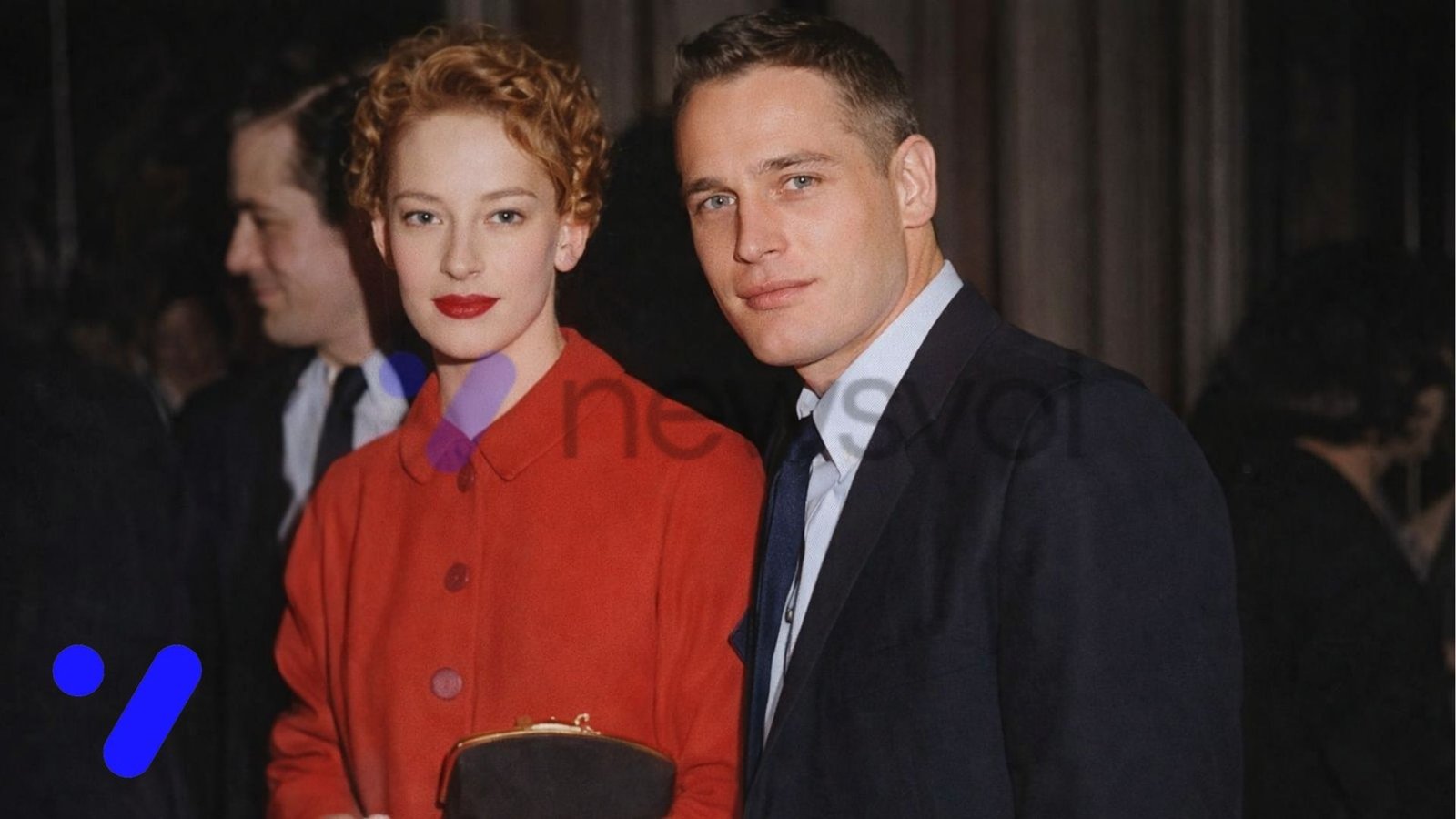
Jackie Witte remains one of the most intriguing yet overlooked figures connected to classic Hollywood history. Best known as the first wife of Paul Newman, she played a significant role during the formative years of one of cinema’s most iconic stars. While much attention has been given to Newman’s enduring marriage with Joanne Woodward, Jackie Witte’s life offers a deeper and more human perspective on the early struggles, ambitions, and realities behind the scenes. As an actress herself, Witte experienced the entertainment world from a quieter angle, often balancing her aspirations with the demands of family life.
In recent years, Jackie Witte has started to gain renewed attention as audiences become more interested in the untold stories behind famous personalities. Her life reflects the challenges many women faced in mid-20th-century Hollywood, where personal sacrifice often overshadowed professional ambition. As the mother of Paul Newman’s first three children, her influence extended beyond her own career, shaping the early personal life of a man who would later become a global icon. Today, her story resonates as a reminder of the many individuals whose contributions remain in the background but are essential to understanding the full picture of Hollywood history.
Quick Bio Table
| Fact | Details |
|---|---|
| Full Name | Jackie Witte |
| Date of Birth | 1929 |
| Place of Birth | United States |
| Date of Death | 1994 |
| Age at Death | 65 years |
| Profession | Actress |
| Famous For | First wife of Paul Newman |
| Marital Status | Divorced |
| Children | 3 (including Scott Newman) |
| Net Worth | Estimated $500,000 (at time of death) |
| Active Years | 1950s |
| Notable Works | Stage and minor acting roles |
Early Life and Background
Jackie Witte was born in 1929 in the United States, during a time when the entertainment industry was rapidly evolving. Although details about her childhood remain limited, it is believed that she grew up in a modest environment that encouraged creativity and artistic expression. Like many young women of her generation, she was drawn to acting and the allure of Hollywood, which was considered the ultimate dream for aspiring performers.
Her early years were shaped by determination and ambition. She pursued opportunities in acting during a period when the industry was highly competitive, especially for women. Unlike many who quickly rose to fame, Jackie’s journey was more grounded and realistic. She took on smaller roles and worked hard to build a name for herself, reflecting the perseverance that defined her personality.
Acting Career and Hollywood Aspirations
Jackie Witte’s acting career was modest but meaningful. She was active in the 1950s, appearing in stage productions and possibly minor screen roles. While she did not achieve widespread fame, her involvement in the acting world placed her among a generation of performers striving to make their mark during Hollywood’s golden era.
Her career trajectory was influenced by the realities of the time. Opportunities for women were often limited, and many talented actresses found themselves overshadowed by larger stars. Despite these challenges, Jackie remained committed to her craft. Her passion for acting was evident, even if her career did not reach the heights she may have initially envisioned.
Relationship with Paul Newman
Jackie Witte’s life took a significant turn when she met Paul Newman. The two met during their early acting days, when both were still trying to establish themselves in the industry. Their relationship quickly grew, leading to marriage in 1949.
At the time, Newman was far from the legendary figure he would become. He was still navigating the challenges of building a career, and Jackie stood by him during these formative years. Their relationship was built on shared ambitions and mutual support, making her an important part of his early journey.
Marriage and Family Life
Jackie and Paul Newman’s marriage was marked by both love and struggle. As a young couple, they faced financial difficulties and the pressures of pursuing acting careers. Jackie often took on the role of a supportive partner, managing family responsibilities while Newman focused on advancing his career.
The couple had three children together, including their son Scott Newman. Jackie’s role as a mother became central to her life, and she dedicated much of her time to raising their children. Balancing family life with personal ambitions was not easy, and it often required significant sacrifices.
Challenges and Divorce
As Paul Newman’s career began to gain momentum, the dynamics of their marriage started to change. The demands of Hollywood, combined with personal differences, created tension between the couple. Newman’s growing success brought new opportunities but also new challenges, including time apart and increased public attention.
Eventually, these pressures led to their divorce in 1958. The separation marked the end of a significant chapter in Jackie’s life. While Newman went on to achieve global fame and later married Joanne Woodward, Jackie chose a more private path, stepping away from the spotlight.
Life After Divorce
Following her divorce, Jackie Witte largely retreated from public life. Unlike many connected to celebrities, she did not seek media attention or attempt to capitalize on her association with Paul Newman. Instead, she focused on her personal life and continued raising her children.
Her decision to maintain privacy reflects her character. She valued a quiet and stable life, away from the pressures of fame. While little is publicly documented about her later years, it is clear that she prioritized her family and personal well-being over public recognition.
Role as a Mother
One of Jackie Witte’s most enduring legacies is her role as a mother. She raised three children during a time of significant change in her personal life. Her dedication to her family remained unwavering, even after her divorce from Paul Newman.
Her son Scott Newman, in particular, became known for his own struggles and contributions, including his work in raising awareness about substance abuse. Jackie’s influence as a parent played a key role in shaping her children’s lives, even in the face of challenges.
Connection to Joanne Woodward and Later Years
After their divorce, Paul Newman married Joanne Woodward, creating one of Hollywood’s most celebrated partnerships. While Jackie Witte remained largely out of the public narrative, her connection to Newman’s early life continued to be a point of interest.
Despite this, Jackie did not publicly comment on Newman’s later relationships. She maintained her privacy and dignity, avoiding the spotlight even as interest in Newman’s life grew. Her later years were spent away from media attention, living a quiet life until her passing in 1994.
Legacy and Historical Significance
Jackie Witte’s legacy is not defined by fame but by her role in a pivotal period of Hollywood history. She represents the many individuals who contribute to the success of others without receiving widespread recognition. Her story adds depth to the narrative of Paul Newman’s life, highlighting the personal experiences behind his rise to stardom.
In today’s era, where audiences seek more authentic and complete stories, Jackie Witte’s life has gained renewed relevance. She stands as a symbol of resilience, sacrifice, and quiet strength, reminding us that not all impactful lives are lived in the spotlight.
Final Thoughts
Jackie Witte’s life offers a compelling glimpse into the lesser-known side of Hollywood history. As the first wife of Paul Newman, she played a crucial role during his early struggles and was a dedicated mother to their children. While her acting career remained modest, her personal contributions were significant and lasting. Her decision to live a private life after her divorce reflects a strength of character that continues to resonate. In understanding Jackie Witte, we gain a fuller picture of the people and relationships that shaped one of Hollywood’s greatest icons.
FAQs
Who was Jackie Witte?
Jackie Witte was an American actress best known as the first wife of Paul Newman and the mother of his three children.
How long was Jackie Witte married to Paul Newman?
She was married to Paul Newman from 1949 until their divorce in 1958.
Did Jackie Witte have children?
Yes, she had three children with Paul Newman, including Scott Newman.
What did Jackie Witte do for a living?
She was an actress who worked in stage productions and pursued a career in entertainment during the 1950s.
Why is Jackie Witte important?
She is important for her role in Paul Newman’s early life and for representing the untold stories of women behind major Hollywood figures.
Celebrity
Michael Roberts and Alana de la Garza: The Creative Force Behind Writing, Action Design, and Life

Michael Roberts is a multi-talented creative professional whose work spans writing, action design, and photography. While he is widely recognized as the husband of acclaimed actress Alana de la Garza, Roberts has built a reputation that stands on its own merit. His contributions to the entertainment industry, particularly in storytelling and visual creativity, reflect a deep understanding of cinematic craft. From crafting compelling narratives to designing intricate action sequences, he represents the kind of behind-the-scenes talent that shapes the final experience audiences enjoy on screen. In an industry often dominated by on-screen personalities, Roberts plays a vital role in bringing stories to life through technical precision and artistic vision.
In recent years, Michael Roberts has gained increased public attention due to growing curiosity about his professional achievements and personal life. As audiences become more interested in the lives of creative professionals behind the camera, Roberts’ work in action design and writing has started to receive well-deserved recognition. His collaboration with creative teams, along with his ability to balance artistic storytelling with technical execution, places him among the versatile figures in modern entertainment. At the same time, his marriage to a prominent television actress has brought him into the spotlight, making him a trending topic among fans and media alike. This blend of personal intrigue and professional excellence continues to fuel interest in his life and career.
Quick Bio Table
| Field | Details |
|---|---|
| Full Name | Michael Roberts |
| Date of Birth | Not Publicly Disclosed |
| Place of Birth | United States |
| Nationality | American |
| Profession | Writer, Action Designer, Photographer |
| Known For | Writing, Action Design, Photography |
| Marital Status | Married |
| Spouse | Alana de la Garza |
| Children | Yes |
| Net Worth | Estimated $1 million – $3 million |
| Industry | Entertainment and Media |
| Active Years | 2000s – Present |
Early Life and Background
Michael Roberts has maintained a relatively private profile when it comes to his early life, which adds a layer of intrigue to his biography. While specific details about his childhood, family background, and education are not widely available, it is clear that his passion for storytelling and visual arts developed at an early stage. Individuals who pursue careers in writing and action design often demonstrate a strong interest in cinema, literature, and physical performance, and Roberts appears to follow a similar path.
Growing up in the United States, he was likely exposed to a dynamic media environment that influenced his creative pursuits. His eventual entry into the entertainment industry suggests a combination of dedication, training, and a willingness to explore multiple disciplines. Unlike many professionals who specialize in a single field, Roberts chose to develop expertise in writing, action choreography, and photography, which indicates a broad creative vision.
Career Beginnings and Entry into the Industry
Michael Roberts’ journey into the entertainment world did not happen overnight. Like many creative professionals, he likely started with smaller projects, gradually building his portfolio and gaining industry experience. His early career may have involved working behind the scenes in production environments, where he developed skills in storytelling, visual composition, and action planning.
Breaking into fields like action design and writing requires persistence and collaboration. Roberts would have worked closely with directors, producers, and performers to understand the technical and artistic requirements of each project. This phase of his career helped him establish a foundation that later enabled him to take on more complex and high-profile roles.
His ability to adapt and work across multiple disciplines set him apart from others in the industry. By combining writing with action design, he brought a unique perspective to storytelling, ensuring that narrative and physical movement worked seamlessly together.
Writing Career and Creative Contributions
As a writer, Michael Roberts has demonstrated a strong ability to craft engaging narratives. Writing for the entertainment industry involves more than just creating dialogue; it requires an understanding of pacing, character development, and visual storytelling. Roberts’ work reflects a balance between creativity and structure, making his contributions valuable to various projects.
His writing style is often characterized by clarity and purpose. Whether working on scripts, story concepts, or creative outlines, he focuses on delivering content that resonates with audiences. This approach has allowed him to collaborate effectively with other creatives, ensuring that his ideas translate well into visual formats.
In addition to traditional writing, Roberts may also contribute to conceptual development, helping shape the direction of projects from an early stage. This involvement highlights his versatility and commitment to storytelling as a comprehensive process.
Action Design and Technical Expertise
One of Michael Roberts’ most notable areas of expertise is action design. This field requires a combination of physical skill, technical knowledge, and creative vision. Action designers are responsible for planning and executing sequences that are both visually exciting and safe for performers.
Roberts’ work in action design showcases his ability to create dynamic and realistic scenes. He understands the importance of choreography, timing, and coordination, ensuring that each sequence aligns with the overall narrative. His contributions help elevate the quality of productions, making action scenes more engaging and impactful.
This aspect of his career also involves collaboration with stunt performers, directors, and cinematographers. By working closely with these professionals, Roberts ensures that action sequences are executed effectively and contribute to the storytelling rather than overshadow it.
Photography and Visual Storytelling
In addition to writing and action design, Michael Roberts is also known for his work in photography. Photography plays a crucial role in the entertainment industry, from promotional materials to artistic projects. Roberts’ skills in this area reflect his keen eye for detail and composition.
His photographic work likely focuses on capturing moments that convey emotion and narrative. Whether working on set or pursuing independent projects, he uses photography as another medium for storytelling. This ability to transition between different forms of visual expression highlights his versatility as a creative professional.
Photography also complements his other work, as it enhances his understanding of lighting, framing, and visual aesthetics. These skills are essential for both writing and action design, making him a well-rounded contributor to the industry.
Relationship with Alana de la Garza
Michael Roberts’ marriage to Alana de la Garza has been a significant aspect of his public profile. The couple shares a strong and supportive relationship, balancing their professional commitments with family life. Alana de la Garza is widely known for her roles in popular television series, which has brought additional attention to Roberts.
Their relationship is often described as grounded and private, with both individuals focusing on their careers while maintaining a stable family environment. This balance is particularly important in the entertainment industry, where public scrutiny can be intense.
Roberts’ support for his wife’s career, combined with his own professional achievements, reflects a partnership built on mutual respect and understanding. Their marriage continues to attract interest from fans who admire their ability to maintain a low-profile yet successful life together.
Family Life and Personal Interests
Beyond his professional work, Michael Roberts places a strong emphasis on family life. As a husband and father, he prioritizes creating a supportive and nurturing environment. Despite the demands of the entertainment industry, he manages to keep his personal life relatively private.
His interests likely extend beyond his professional pursuits, including activities that allow him to relax and recharge. Creative individuals often engage in hobbies such as travel, reading, or exploring new artistic techniques, and Roberts may follow similar interests.
This balance between work and personal life is essential for maintaining long-term success and well-being. By keeping his private life away from excessive media attention, Roberts ensures that his family remains a central focus.
Net Worth and Financial Success
Michael Roberts has achieved a respectable level of financial success through his work in writing, action design, and photography. His estimated net worth ranges between $1 million and $3 million, reflecting his contributions to the entertainment industry.
Income in these fields can vary depending on the scope and scale of projects. Roberts’ ability to work across multiple disciplines likely enhances his earning potential, as he can take on diverse roles within a single project.
While he may not be as publicly visible as on-screen actors, his behind-the-scenes work is equally valuable. The financial rewards he has achieved are a testament to his skill, dedication, and ability to adapt within a competitive industry.
Public Image and Media Attention
Michael Roberts maintains a relatively low public profile, which distinguishes him from many figures in the entertainment industry. Despite his connection to a well-known actress, he prefers to let his work speak for itself rather than seeking the spotlight.
This approach has contributed to a positive public image, as he is seen as a dedicated professional who values privacy and authenticity. Media attention surrounding him often focuses on his relationship with Alana de la Garza and his creative contributions.
As interest in behind-the-scenes professionals continues to grow, Roberts’ work is gaining more recognition. His ability to maintain a balance between public interest and personal privacy adds to his appeal as a respected figure in the industry.
Legacy and Future Outlook
Michael Roberts’ career reflects a commitment to creativity, versatility, and excellence. His work in writing, action design, and photography demonstrates a deep understanding of storytelling and visual expression. As the entertainment industry evolves, professionals like Roberts play a crucial role in shaping its future.
Looking ahead, he is likely to continue expanding his creative portfolio, taking on new challenges and exploring innovative approaches to storytelling. His ability to adapt to changing trends and technologies positions him for continued success.
Roberts’ legacy will likely be defined by his contributions to the craft and his influence on the projects he has been involved in. While he may not seek widespread recognition, his work leaves a lasting impact on the industry.
Final Thoughts
Michael Roberts stands as a multifaceted creative professional whose work extends far beyond public recognition. His contributions to writing, action design, and photography highlight his dedication to the art of storytelling. While his marriage to Alana de la Garza has brought him into the spotlight, his achievements in the entertainment industry are noteworthy in their own right. With a strong foundation, a diverse skill set, and a commitment to excellence, Roberts continues to build a career that reflects both passion and professionalism.
FAQs
Who is Michael Roberts?
Michael Roberts is an American writer, action designer, and photographer known for his creative work in the entertainment industry and as the husband of actress Alana de la Garza.
What does Michael Roberts do for a living?
He works as a writer, action designer, and photographer, contributing to various aspects of film and television production.
Is Michael Roberts married?
Yes, he is married to actress Alana de la Garza, and the couple shares a family together.
What is Michael Roberts’ net worth?
His estimated net worth is between $1 million and $3 million, earned through his work in the entertainment industry.
Why is Michael Roberts famous?
He is known for his work behind the scenes in writing and action design, as well as his relationship with Alana de la Garza.
Celebrity
Mark Magill: Inside the Life, Career, and Surgical Excellence of a Leading Orthopedic Specialist

Dr. Mark Magill has emerged as a respected name in modern orthopedic medicine, particularly in the specialized field of foot and ankle surgery. Known for his precision, patient-centered care, and ability to handle complex trauma cases, he has built a reputation that extends beyond his local practice in Montana. As a surgeon affiliated with Logan Health Medical Center and Logan Health Whitefish, Dr. Magill has become a trusted figure for patients dealing with everything from sports injuries to degenerative joint conditions. His expertise in treating Achilles tendon injuries, bunions, ankle instability, arthritis, and fractures has positioned him as a go-to specialist in orthopedic care.
What makes Dr. Magill particularly notable today is his blend of advanced training and real-world experience. After graduating from Vanderbilt University School of Medicine in 2009, he further refined his skills during a prestigious fellowship at OrthoCarolina. There, he worked closely with elite athletes from major sports leagues such as the NBA, NFL, and MLB. This exposure not only sharpened his surgical abilities but also gave him unique insight into high-performance recovery and injury prevention. Today, Dr. Magill continues to bring that elite-level expertise to everyday patients, making him a standout figure in orthopedic surgery and a growing name in healthcare discussions.
Quick Bio Table
| Field | Details |
|---|---|
| Full Name | Dr. Mark Magill |
| Profession | Orthopedic Surgeon |
| Specialization | Foot and Ankle Surgery, Orthopedic Trauma |
| Date of Birth | Not Publicly Available |
| Place of Birth | United States |
| Education | Vanderbilt University School of Medicine (2009) |
| Fellowship | OrthoCarolina |
| Current Workplace | Logan Health Medical Center |
| Additional Affiliation | Logan Health Whitefish |
| Known For | Advanced Foot & Ankle Procedures |
| Net Worth | Estimated $1M – $3M |
| Years Active | 2010s – Present |
Early Life and Educational Journey
Dr. Mark Magill’s journey into medicine began with a strong academic foundation and a clear passion for healthcare. While specific details about his early life remain private, it is evident that his dedication to science and patient care shaped his path from an early stage. His decision to pursue medicine led him to one of the most respected institutions in the United States, Vanderbilt University School of Medicine.
At Vanderbilt, Dr. Magill received rigorous training in medical sciences and clinical practice. The institution is known for producing highly skilled physicians, and his time there provided him with both theoretical knowledge and hands-on experience. Graduating in 2009, he entered the medical field at a time when orthopedic surgery was rapidly advancing, especially with new technologies and minimally invasive procedures.
Specialized Training and Fellowship Experience
After completing medical school, Dr. Magill pursued advanced specialization through a fellowship at OrthoCarolina, one of the leading orthopedic centers in the United States. This phase of his career was critical in shaping his expertise in foot and ankle surgery.
During his fellowship, he worked with professional athletes from major leagues such as the NBA, NFL, and MLB. Treating elite athletes required precision, speed, and a deep understanding of biomechanics. This experience not only enhanced his surgical skills but also taught him how to manage high-pressure cases where recovery timelines are critical.
Career at Logan Health and Medical Practice
Dr. Magill currently practices at Logan Health Medical Center and Logan Health Whitefish. These institutions are known for delivering high-quality healthcare services in Montana, and his presence adds significant value to their orthopedic departments.
In his role, Dr. Magill handles a wide range of cases, from routine procedures to complex trauma surgeries. His ability to adapt to different patient needs has made him a trusted name in the community. Patients often seek him out for his detailed approach, clear communication, and commitment to achieving the best possible outcomes.
Expertise in Foot and Ankle Surgery
One of Dr. Magill’s defining strengths is his specialization in foot and ankle conditions. These areas of the body are highly complex, requiring a detailed understanding of bones, ligaments, and tendons. He treats conditions such as Achilles tendon injuries, bunions, ankle instability, and arthritis.
His approach combines surgical precision with personalized care. Each patient receives a treatment plan tailored to their specific condition and lifestyle. This ensures not only effective treatment but also long-term recovery and improved quality of life.
Handling Orthopedic Trauma Cases
Beyond specialized surgeries, Dr. Magill is also skilled in managing orthopedic trauma. This includes treating fractures and injuries resulting from accidents, sports, or other high-impact events.
Trauma cases often require immediate attention and decisive action. Dr. Magill’s training and experience allow him to handle these situations effectively. His ability to restore function and mobility in patients with severe injuries highlights his expertise and dedication to his field.
Work with Professional Athletes
Dr. Magill’s experience with professional athletes during his time at OrthoCarolina remains a significant part of his professional identity. Working with athletes from the NBA, NFL, and MLB exposed him to high-performance medicine.
These athletes require not only treatment but also strategies for rapid recovery and injury prevention. Dr. Magill applies these same principles to his everyday patients, ensuring they benefit from techniques developed at the highest level of sports medicine.
Patient Care Philosophy and Approach
Dr. Magill is known for his patient-first philosophy. He believes in clear communication, education, and involving patients in their treatment decisions. This approach helps build trust and ensures that patients feel confident in their care.
He focuses on both surgical and non-surgical options, recommending the least invasive approach whenever possible. This balanced perspective reflects his commitment to long-term patient health rather than quick fixes.
Impact on the Local Community
In Montana, access to specialized orthopedic care can be limited. Dr. Magill’s presence at Logan Health Medical Center and Logan Health Whitefish has significantly improved healthcare options for residents.
He plays a vital role in treating injuries, improving mobility, and enhancing the overall quality of life for his patients. His work has made a noticeable difference in the community, particularly for individuals dealing with chronic pain or mobility issues.
Net Worth and Professional Success
While exact figures are not publicly confirmed, Dr. Magill’s net worth is estimated to be between $1 million and $3 million. This reflects his successful career in orthopedic surgery, a field known for its high level of expertise and demand.
His financial success is also a result of years of dedication, advanced training, and consistent performance in a competitive medical field. More importantly, his achievements highlight his commitment to excellence in patient care.
Future Outlook and Continuing Contributions
As orthopedic medicine continues to evolve, Dr. Magill remains at the forefront of innovation. His background in advanced surgical techniques and sports medicine positions him well for future advancements in the field.
He is expected to continue contributing to patient care, medical education, and possibly research. His growing reputation suggests that his influence in orthopedic surgery will only expand in the coming years.
Final Thoughts
Dr. Mark Magill represents the ideal combination of skill, experience, and compassion in modern medicine. From his education at Vanderbilt University School of Medicine to his specialized training at OrthoCarolina, every step of his journey has contributed to his success. Today, his work at Logan Health Medical Center and Logan Health Whitefish continues to make a meaningful impact.
With a strong focus on patient care and a commitment to excellence, Dr. Magill is not just a skilled surgeon but also a trusted healthcare provider. His career trajectory suggests a future filled with continued success and contributions to the field of orthopedic medicine.
FAQs
Who is Dr. Mark Magill?
Dr. Mark Magill is an orthopedic surgeon specializing in foot and ankle surgery, currently practicing at Logan Health in Montana.
What conditions does Dr. Mark Magill treat?
He treats Achilles tendon injuries, bunions, ankle instability, arthritis, and complex fractures.
Where did Dr. Mark Magill study medicine?
He graduated from Vanderbilt University School of Medicine in 2009.
Did Dr. Mark Magill work with professional athletes?
Yes, during his fellowship at OrthoCarolina, he treated athletes from the NBA, NFL, and MLB.
Where does Dr. Mark Magill currently work?
He practices at Logan Health Medical Center and Logan Health Whitefish.

Telephone Code 603: A Dark Religious Horror Story Built Around a Forbidden Call

Who is Jackie Witte? The Untold Story of Paul Newman’s First Wife and Her Quiet Legacy in Hollywood

Michael Roberts and Alana de la Garza: The Creative Force Behind Writing, Action Design, and Life

Who Is Christine Golic? Inside the Life, Lifestyle, and Success Story of Mike Golic’s Wife

Who Is Hélène Patarot? The French-Vietnamese Actress Behind Stage, Screen, and a Remarkable Artistic Legacy

Who Is Janet Broderick Kraft? Inside the Life, Ministry, Family Legacy, and Success Story of Matthew Broderick’s Sister
-
Celebrity7 months ago
Who Is Christine Golic? Inside the Life, Lifestyle, and Success Story of Mike Golic’s Wife
-
Celebrity8 months ago
Who Is Hélène Patarot? The French-Vietnamese Actress Behind Stage, Screen, and a Remarkable Artistic Legacy
-
 Celebrity8 months ago
Who Is Elizabeth Astin? Inside Her Inspiring Lifestyle, Net Worth, Family Tree, and Success Story
-
Celebrity8 months ago
Who Is Janet Broderick Kraft? Inside the Life, Ministry, Family Legacy, and Success Story of Matthew Broderick’s Sister
-
 Celebrity8 months ago
Who Is Claire Mulaney? Inside Her Comedy Journey, Lifestyle, Net Worth, and Family Story
-
 Celebrity7 months ago
Who Is Laurence Ronson? Inside the Life, Lifestyle, Net Worth, and Success Story of the Ronson Family Patriarch
-
 Celebrity7 months ago
Who Is Renee Berry? Inside the Private Life, Family Background, and Untold Story of Halle Berry’s Half-Sister
-
 Celebrity7 months ago
Who Is Jennifer Russo? Inside Her Private Life, Family Ties, Net Worth, and Success Story