
Entertainment
Telephone Code 603: A Dark Religious Horror Story Built Around a Forbidden Call

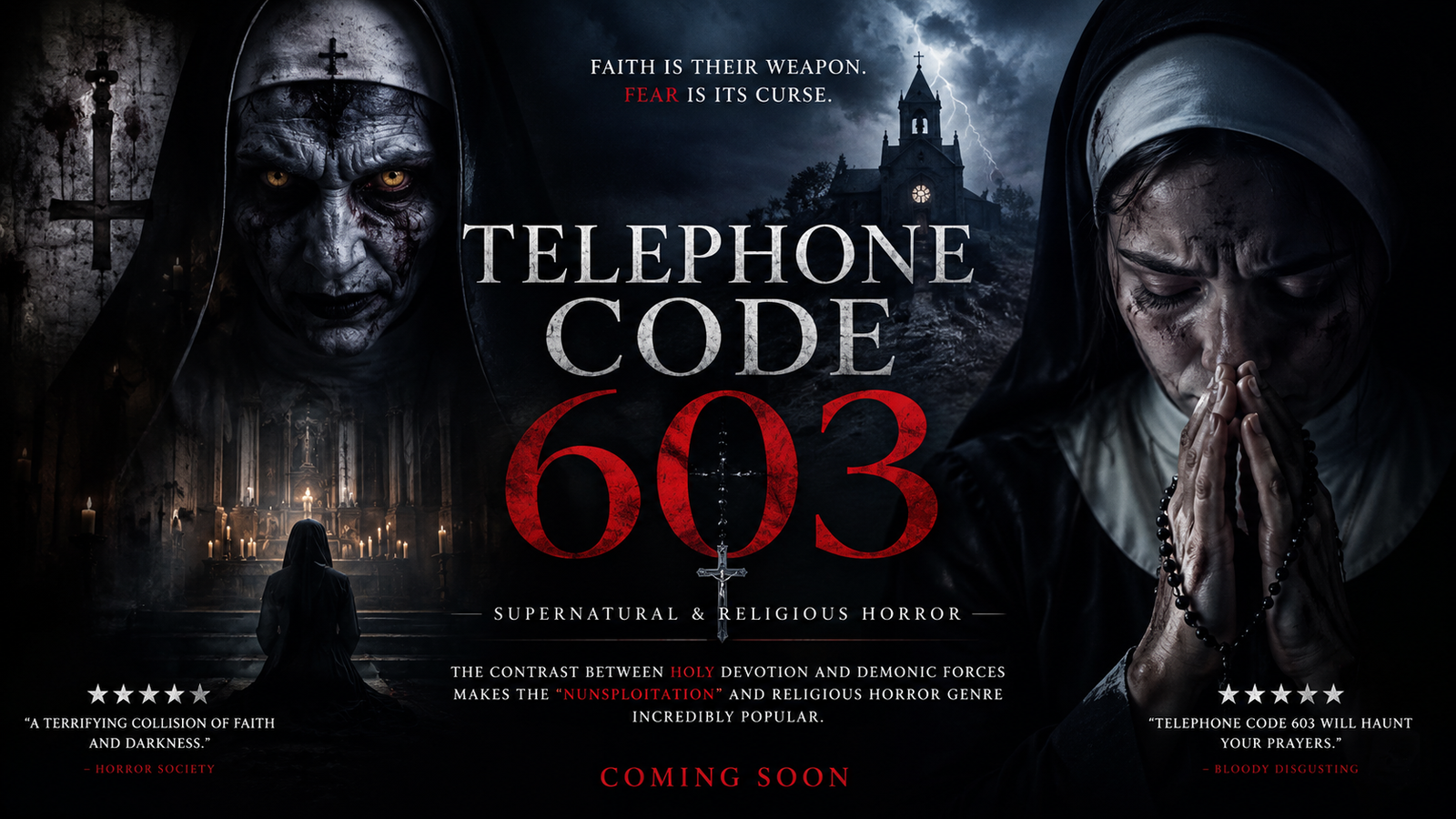
Telephone Code 603 is a supernatural horror concept that joins two strong sources of fear: an unknown phone call and a hidden demonic force. The story draws on religious horror, haunted calls, old church secrets, and the clash between faith and evil. Its central idea feels simple. A strange telephone code connects people to something that should never answer.
This type of story fits well within modern Hollywood horror. It can use quiet fear, dark halls, sacred symbols, and sudden sounds. It can also explore grief, guilt, and doubt. Rather than relying only on blood or violence, the tale can build fear through silence, prayer, voices, and a ringing phone.
What Is Telephone Code 603?
Telephone Code 603 can be understood as a fictional supernatural horror story. Its plot centers on a phone number linked to an old religious order. Anyone who receives a call from the code begins to hear voices that sound human but know private details.
At first, the calls seem harmless. A voice may offer comfort after a death. It may claim to be a lost family member. It may even repeat prayers or speak about heaven.
The fear grows when the caller asks for something in return.
The code soon becomes more than a phone number. It acts like a door. Each answered call gives the dark force more power. Every long talk helps it enter the real world.
This setup allows the story to mix phone-based horror with demonic possession, religious fear, and a mystery linked to the past.
The Main Story Behind the Mysterious Code
The story could begin with a young woman named Mara Vale. She works in the archive room of an old Catholic hospital. The building once served as a convent, but much of its early history remains sealed.
One night, Mara finds a damaged telephone beside a box of church records. The phone has no wire. It should not work.
At 6:03 p.m., it rings.
Mara answers and hears the voice of her dead mother. The voice knows details that no stranger could know. It speaks in a soft and caring way. Before the call ends, it gives Mara a warning.
“Do not let the sisters open the lower chapel.”
The next morning, Mara searches the records. She learns that several nuns vanished from the convent many years ago. Their final report contains the same number: 603.
The discovery pulls her into a hidden fight between a faithful nun and a force trapped below the building.
Why the Number 603 Feels Unsettling
A horror title becomes stronger when its central number has several meanings. In this story, 603 could refer to a room, a time, a phone code, and a church record.
Room 603 may have housed a nun who became possessed.
The first call may arrive at 6:03 each evening.
File 603 may contain notes about a failed exorcism.
The code may also appear in old prayers, grave markers, medical forms, and damaged tapes.
These repeated signs make the number feel cursed. Viewers begin to fear it before anything happens. A clock showing 6:02 creates tension because they know the next minute may bring danger.
The number also gives the film a clear visual mark. Posters, trailers, and scenes can use it without explaining everything at once.
A Religious Horror Story About Faith and Doubt
The strongest part of Telephone Code 603 would be its struggle between faith and doubt. Religious horror works well when the main person does not know what to believe.
Mara may have grown up in a strict religious home. After her mother died, she lost her faith. She now sees prayer as empty and views church stories with doubt.
The strange calls force her to face that past.
If the voice belongs to her mother, then death may not be the end. Yet if the voice is a demon, Mara’s need for comfort has made her easy to control.
This creates a painful choice. She wants to keep hearing her mother. At the same time, each call puts other people in danger.
The horror does not come only from a monster. It comes from Mara’s fear that hope itself may be a trap.
How the Film Could Use Nunsploitation Elements
Telephone Code 603 can use parts of the nunsploitation genre without turning its religious characters into simple horror images. Classic stories in this field often place nuns inside strict buildings filled with secrets, control, guilt, and forbidden acts.
The film could feature a group of nuns who once tried to trap a demonic voice. They believed the force could copy the voices of the dead. It used grief to enter the minds of those who listened.
One nun, Sister Agnes, survived the first event. She is now old and lives in silence. She has refused to speak for decades because she fears the demon may use her voice.
Her silence gives the story a strong mystery.
When Sister Agnes finally speaks, the audience cannot know whether she has chosen to help Mara or whether the evil force now controls her.
The convent setting adds fear through long halls, locked rooms, hidden stairs, and old sacred art.
The Difference Between Holy and Demonic Voices
Sound could serve as the main weapon in the film. The demon does not need to appear often. Its voice can create most of the fear.
At first, the calls may sound warm and normal. The voices speak slowly. They use family names, childhood memories, and kind words.
Small flaws then begin to appear.
A dead person may laugh at the wrong moment. A prayer may contain one changed word. A loving voice may repeat the same line in the same tone. Breathing may continue after the call ends.
Holy sounds could feel very different.
Real prayer may come with silence, calm, and human weakness. The demonic voice may sound perfect. It never pauses. It never forgets. It knows too much.
This contrast would help viewers understand that evil does not always appear as rage. Sometimes, it appears as the exact thing a person wants most.
The Haunted Telephone as a Horror Symbol
Telephones work well in horror because they bring an unseen person close. A call enters the home. It reaches the bedroom. It can arrive at any hour.
The haunted phone in Telephone Code 603 could be an old black desk model kept inside the convent archive. It has a heavy receiver and a sharp metal bell.
No one can remove it from the building.
When workers throw it away, it returns to the same desk. When they break it, another phone begins to ring. When they cut the power, the calls still arrive.
Modern phones may also become part of the curse. The number could appear on screens with no missed-call record. Voice messages may play backward. People may hear their own voices before they speak.
By mixing an old telephone with modern devices, the story can show that the evil force has learned how to move through time.
Mara Vale as the Central Character
Mara should remain the heart of the story. She is not a trained priest, fighter, or demon expert. She is an ordinary person with an open wound from her past.
Her work as an archive assistant gives her access to records, but it does not make her fearless. She must earn each answer through careful study and personal risk.
Mara’s greatest weakness is grief.
She feels that she failed her mother during her final days. The voice on the phone offers to remove that guilt. It says her mother forgives her. Later, it claims Mara can speak to her in person.
This offer becomes harder to refuse as the story moves forward.
Mara’s growth comes when she learns that love does not require her to hold on to a false voice. She must accept her loss before she can close the door she helped open.
Sister Agnes and the Secret Order
Sister Agnes can act as the story’s moral guide, but she should also carry a dark secret. As a young nun, she may have helped create the code.
The convent once received calls from people who had died. The sisters believed the voices were a miracle. Families came from distant places to speak with lost loved ones.
The calls brought money and fame to the church.
Sister Agnes later found proof that the voices were not human. Yet the leaders refused to stop. They believed they could control the force and use it to strengthen faith.
Their pride led to disaster.
Sister Agnes helped trap the demon in Room 603. However, she could not destroy it. The curse remained inside the telephone network, waiting for someone filled with grief to answer again.
Her past gives the film a deeper theme. Even people who serve a holy cause can make dangerous choices when power and pride enter their work.
The Demon Behind Telephone Code 603
The demon should not have a simple form. It may be called The Listener, since it learns through every call.
The Listener cannot create a true voice on its own. It must first hear a person speak. It records pain, fear, love, and guilt. It then builds a false version of someone the victim trusts.
Each call makes the copy better.
In early scenes, Mara’s mother sounds weak and broken. Later, the voice becomes exact. It even sings an old song from Mara’s childhood.
The Listener’s goal is not only possession. It wants permission.
It cannot fully enter the world unless a living person invites the dead to return. That rule gives the final part of the film a clear danger. Mara must refuse the one thing she has wanted since her mother died.
The demon becomes frightening because it uses emotion instead of force.
How the Horror Could Build Slowly
A strong supernatural film should not reveal everything too soon. Telephone Code 603 could begin as a mystery and slowly become a full religious nightmare.
The first act may focus on calls, old files, and strange sounds. Mara notices that clocks stop at 6:03. She finds photos with faces scratched away. A nun appears in the hall but leaves no steps.
The second act can bring stronger events. Hospital patients receive calls from dead family members. One patient walks into the sealed chapel. A priest hears his own voice confessing sins he never shared.
The final act can open the lower part of the convent.
The walls may contain phone wires shaped like roots. Hundreds of receivers may hang inside a hidden room. Each one carries a different voice.
This slow growth keeps viewers involved. It allows fear to rise from a quiet ring to a large spiritual threat.
The Role of Prayer and Sacred Objects
Religious horror often uses crosses, holy water, prayer books, and church rites. Telephone Code 603 could use these objects in careful ways.
A cross alone should not solve the problem. The story becomes more powerful when faith depends on honest choice rather than a magic item.
Mara may hold a rosary but feel no comfort because she does not believe in it. Later, she uses the same rosary while accepting her mother’s death. Its power comes from her changed state, not from the object alone.
Prayer could also affect the calls.
False voices may fail to complete certain prayers. The Listener may twist sacred words or speak them too quickly. Sister Agnes teaches Mara to listen for meaning rather than sound.
The final ritual may require silence. Instead of shouting prayers, the characters must stop answering the demon. They defeat its control by refusing to give it their voices.
Major Themes Beneath the Scares
Telephone Code 603 can explore grief, trust, guilt, and the danger of false comfort.
The main theme is that grief can make people accept things they would normally question. Mara knows the call cannot be real, but her pain makes her keep listening.
Another theme is spiritual pride. The old church leaders believed they could use an evil force for a good goal. Their choice shows how power can damage even a sacred group.
The film can also explore the need for closure. Many people wish they could speak to someone who died. The story turns that wish into a threat.
Most of all, it asks a hard question: Would you answer a call if you knew the voice might not truly belong to the person you miss?
That question gives the horror an emotional base.
A Possible Final Confrontation
In the final act, the sealed chapel opens at 6:03 p.m. Every phone in the hospital begins to ring.
Patients, staff members, and visitors hear voices from their past. Some answer. Others follow the voices toward the lower chapel.
Mara enters Room 603 with Sister Agnes. Inside, the walls seem to breathe. Hanging receivers speak in hundreds of voices. At the center of the room stands a shape that looks like Mara’s mother.
The figure asks Mara to say one word: “Come.”
Sister Agnes tries to stop her, but another voice speaks through the nun. The Listener has taken control of her.
Mara begins a prayer but then stops. She understands that the demon feeds on voices, even voices used against it.
She puts down the phone.
Instead of speaking, she cuts the main wire and sits in silence. Other people follow her choice. One by one, they stop answering.
The voices become angry, then weak. At 6:04, the ringing ends.
Could the Story Leave Room for a Sequel?
The ending could appear complete while leaving one small sign that the evil still exists.
After the convent closes, Mara moves to another city. She begins a new life and no longer receives calls from her mother.
Months later, a child buys an old phone from a thrift store. The phone has no cord and no battery.
At 6:03 p.m., it rings.
The child answers and hears Mara’s voice.
This ending would suggest that The Listener escaped before the chapel was sealed. It may now use Mara’s voice because it heard her during the final event.
A sequel could follow a new group of people who receive calls from Code 603. Mara may return as someone who understands the rules but fears that part of her remains trapped in the network.
Why Telephone Code 603 Could Appeal to Horror Fans
The concept has several parts that horror viewers often enjoy. It has an easy-to-recognize title, a cursed object, a religious mystery, a hidden room, and an evil force with clear rules.
It can also create fear without showing too much. A ringing phone may become as frightening as a visible monster.
Fans of supernatural stories may enjoy the battle between prayer and possession. Viewers who prefer emotional horror may connect with Mara’s grief. Mystery fans may follow the clues linked to Room 603 and the old convent files.
The idea also has strong visual and sound-based marketing options. A trailer could show a dark phone ringing inside an empty chapel. A poster could feature the number 603 carved into a receiver.
Its best feature, however, is the human choice at its center. Most people understand the wish to hear a lost loved one again.
Final Thoughts
Telephone Code 603 works best as a slow religious horror story about grief and false hope. Its supernatural threat does not simply attack people. It studies them, copies the voices they love, and waits for an invitation.
The convent setting gives the story a dark past. The haunted phone gives it a clear symbol. Mara’s pain gives it a human heart.
The film concept can blend nunsploitation, demonic horror, mystery, and emotional drama without losing its simple core. A person receives an impossible call. The voice offers comfort. Each answer opens the door wider.
By the end, the most important act is not a violent battle or loud exorcism. It is the choice to stop listening.
In a world filled with endless calls, messages, and recorded voices, that silence may become the most frightening part of all.










Celebrity
Bruce Van Dusen: Inside the Life, Career, and Creative Legacy of a Legendary Commercial Director

Bruce Van Dusen has built one of the most remarkable yet often under-the-radar careers in the entertainment industry. Known for directing more than a thousand television commercials, he stands as a towering figure in the world of advertising filmmaking. While many directors gain recognition through blockbuster movies or television series, Van Dusen carved his path through the art of storytelling in short-form media. His work blends humor, emotional depth, and cinematic precision, making him one of the most respected directors in commercial production. Over the decades, he has collaborated with major global brands, helping shape the visual language of modern advertising.
What makes Bruce Van Dusen especially relevant today is his transition from behind-the-camera creative genius to an author and storyteller sharing his personal journey. His memoir-style writing has drawn attention for its raw honesty, humor, and reflection on life, career struggles, and resilience. As audiences become more curious about the people behind iconic advertising campaigns, Van Dusen’s story resonates strongly. His journey offers insight into the evolution of commercial filmmaking, the challenges of staying relevant in a rapidly changing industry, and the personal experiences that shaped his unique voice. With renewed interest in his books and past work, Bruce Van Dusen is trending as both a creative legend and a compelling storyteller.
Quick Bio Table
| Full Name | Bruce Van Dusen |
|---|---|
| Date of Birth | Aug 1973 |
| Place of Birth | United States |
| Nationality | American |
| Profession | Commercial Director, Filmmaker, Author |
| Known For | Directing 1000+ TV commercials |
| Industry | Advertising and Film |
| Net Worth | Estimated $1 million – $5 million |
| Notable Works | Numerous high-profile TV commercials, memoir writing |
| Years Active | Several decades (Late 20th century to present) |
| Education | Not Publicly Available |
| Marital Status | Private |
| Current Focus | Writing and storytelling |
Early Life and Background
Bruce Van Dusen’s early life remains largely private, which adds an element of intrigue to his story. Unlike many public figures, he has chosen to keep his formative years out of the spotlight. However, it is clear that his upbringing played a role in shaping his creative instincts. Growing up in the United States, he developed a keen eye for storytelling and visual composition, which would later define his career.
His interest in filmmaking likely emerged from a fascination with cinema and storytelling. During the time he was growing up, television and film were rapidly evolving, offering new creative opportunities. This environment may have inspired him to explore visual storytelling, eventually leading him into the world of advertising.
Entry Into the World of Advertising
Bruce Van Dusen’s journey into commercial directing was not an overnight success. Like many creatives, he likely started from modest beginnings, working his way through the ranks of the industry. The advertising world, especially television commercials, is highly competitive and demands both creativity and efficiency.
He entered an industry that required quick thinking and the ability to tell compelling stories in just seconds. This challenge suited his talents perfectly. Over time, he developed a reputation for delivering visually engaging and emotionally resonant commercials that stood out in a crowded marketplace.
Career Breakthrough and Rise to Fame
The breakthrough in Bruce Van Dusen’s career came as he began directing high-profile television commercials for major brands. His ability to blend humor, narrative, and strong visual elements quickly gained attention. Unlike many directors who focus solely on aesthetics, Van Dusen understood the importance of connecting with audiences on an emotional level.
As his reputation grew, so did the scale of his projects. He became known as a reliable and innovative director capable of handling large productions while maintaining creative integrity. His work began to define a standard for excellence in commercial filmmaking.
Directing Over a Thousand Commercials
One of the most impressive aspects of Bruce Van Dusen’s career is the sheer volume of his work. Directing over a thousand television commercials is a rare achievement that highlights his dedication and consistency. Each project required a unique approach, tailored to the brand’s message and target audience.
This extensive portfolio allowed him to experiment with different styles and storytelling techniques. From humorous ads to emotionally driven campaigns, Van Dusen demonstrated versatility that kept him in demand for decades. His work has influenced the way commercials are conceptualized and produced, making him a key figure in the industry.
Filmmaking Style and Creative Vision
Bruce Van Dusen’s filmmaking style is characterized by clarity, precision, and emotional engagement. He has a unique ability to tell a complete story within a limited timeframe, which is essential in commercial directing. His work often features strong narratives, relatable characters, and a touch of humor.
His creative vision goes beyond selling products. He focuses on creating memorable experiences that resonate with viewers. This approach has helped brands connect with audiences on a deeper level, making their messages more impactful.
Transition Into Feature Films and Long-Form Content
While Bruce Van Dusen is best known for his work in commercials, he has also explored feature filmmaking and long-form storytelling. This transition allowed him to expand his creative horizons and experiment with different narrative structures.
Feature films require a different approach compared to commercials, offering more time for character development and plot progression. Van Dusen’s experience in short-form storytelling provided a strong foundation, enabling him to adapt successfully to longer formats.
Writing Career and Memoir Success
In recent years, Bruce Van Dusen has gained recognition as an author. His memoir-style writing offers a candid look at his life, career, and personal struggles. His work stands out for its honesty and humor, providing readers with a deeper understanding of his journey.
Through his writing, he shares insights into the challenges of the entertainment industry, as well as personal experiences that shaped his perspective. This new chapter in his career has introduced him to a broader audience, further solidifying his legacy as a storyteller.
Personal Life and Inspirations
Bruce Van Dusen has maintained a relatively private personal life, choosing to keep much of it away from public attention. However, his work and writing suggest a deeply reflective and thoughtful individual. His experiences, both professional and personal, have influenced his storytelling style.
He draws inspiration from everyday life, human emotions, and the complexities of relationships. This ability to find meaning in ordinary moments is reflected in his work, making it relatable and impactful.
Legacy in Advertising and Film Industry
Bruce Van Dusen’s legacy in the advertising industry is significant. His contributions have helped shape modern commercial filmmaking, influencing both established directors and emerging talent. His work demonstrates that commercials can be more than just advertisements; they can be powerful storytelling tools.
His influence extends beyond his projects. By maintaining high standards of creativity and professionalism, he has set an example for others in the industry. His career serves as a testament to the importance of passion, persistence, and innovation.
Recent Work and Current Relevance
Today, Bruce Van Dusen continues to remain relevant through his writing and the enduring impact of his past work. As audiences revisit classic commercials and explore behind-the-scenes stories, his contributions are gaining renewed appreciation.
His transition into authorship has allowed him to connect with audiences in a new way. By sharing his experiences, he offers valuable insights into creativity, resilience, and the evolving nature of storytelling.
Final Thoughts
Bruce Van Dusen’s career is a remarkable example of dedication, creativity, and adaptability. From directing over a thousand commercials to exploring feature filmmaking and writing, he has continuously evolved as a storyteller. His ability to connect with audiences through visual and written narratives sets him apart as a true creative force.
Looking ahead, his influence is likely to continue inspiring future generations of filmmakers and writers. Whether through his past work or his ongoing contributions as an author, Bruce Van Dusen’s legacy remains strong and impactful.
FAQs
Who is Bruce Van Dusen?
Bruce Van Dusen is an American commercial director, filmmaker, and author known for directing over a thousand television commercials and contributing significantly to the advertising industry.
What is Bruce Van Dusen known for?
He is best known for his extensive work in television commercials, where he created engaging and memorable advertisements for major brands.
Has Bruce Van Dusen directed feature films?
Yes, in addition to commercials, he has worked on feature films and long-form storytelling projects, expanding his creative portfolio.
What is Bruce Van Dusen’s net worth?
His estimated net worth ranges between $1 million and $5 million, primarily earned through his directing career and writing.
Why is Bruce Van Dusen trending now?
He is gaining attention due to his memoir-style writing and renewed interest in his contributions to commercial filmmaking.
Celebrity
Who is Dara Van Dusen? Inside the Rise of a Visionary Filmmaker and the Success of A Prayer for the Dying

Dara Van Dusen has quickly emerged as one of the most intriguing voices in contemporary international cinema. With a creative journey that bridges cultures, languages, and storytelling traditions, she represents a new wave of filmmakers redefining global storytelling. Originally from New York City and now based in Oslo, Norway, her work reflects a deep understanding of both American and European cinematic sensibilities. Her storytelling style is often described as emotionally layered, visually poetic, and intellectually engaging, appealing to audiences who crave meaningful narratives over formulaic plots. As streaming platforms and global film festivals increasingly spotlight diverse voices, Dara Van Dusen stands at the center of this shift, bringing fresh perspectives that resonate across borders.
Her growing prominence is largely tied to her highly anticipated 2026 feature debut, A Prayer for the Dying. The film has generated significant buzz in international film circles due to its haunting themes, compelling narrative structure, and unique visual language. Critics and audiences alike have been drawn to her ability to explore complex human emotions while maintaining a cinematic elegance that feels both intimate and expansive. As the industry continues to evolve, filmmakers like Dara Van Dusen are shaping its future by pushing creative boundaries and challenging conventional storytelling norms. Her rise is not just a personal success story but a reflection of a broader transformation within the film industry, where originality and authenticity are becoming more valuable than ever.
QUICK BIO SUMMARY
| Field | Details |
|---|---|
| Full Name | Dara Van Dusen |
| Date of Birth | Oct 1995 |
| Age | 30 years old |
| Birthplace | New York City, United States |
| Current Residence | Oslo, Norway |
| Nationality | American |
| Profession | Filmmaker, Screenwriter |
| Known For | A Prayer for the Dying (2026) |
| Years Active | 2010s – Present |
| Net Worth | $500,000 – $1 Million (approx.) |
| Education | Film and Screenwriting (details not public) |
| Languages | English, Possibly Norwegian |
Early Life and Background
Dara Van Dusen was born and raised in New York City, a place widely regarded as one of the cultural capitals of the world. Growing up in such a vibrant and diverse environment played a crucial role in shaping her artistic sensibilities. From a young age, she was exposed to various forms of storytelling, including theater, independent films, and global cinema screenings that are abundant in the city. This early exposure sparked her interest in narratives that go beyond mainstream storytelling.
Her upbringing in a city known for its artistic diversity allowed her to develop a deep appreciation for different cultures and perspectives. This multicultural influence is clearly reflected in her work, where themes of identity, displacement, and human connection often take center stage. While specific details about her family background remain private, it is evident that her early environment encouraged creativity and intellectual exploration.
Education and Passion for Filmmaking
Dara Van Dusen’s journey into filmmaking was not accidental but driven by a strong passion for storytelling. Although detailed records of her academic background are limited, it is widely believed that she pursued formal education in film studies or screenwriting. Her work demonstrates a strong technical understanding of filmmaking, including narrative structure, cinematography, and character development.
During her formative years, she likely honed her skills through independent projects, short films, and collaborations with other aspiring filmmakers. This period of experimentation helped her refine her voice and develop a distinctive style that would later define her professional work. Her dedication to storytelling and continuous learning set the foundation for her future success in the competitive world of cinema.
Career Beginnings and Early Projects
Before gaining recognition on the international stage, Dara Van Dusen spent years working on smaller projects that allowed her to build experience and credibility. Like many independent filmmakers, she began her career by creating short films and scripts that explored deeply personal and experimental themes.
These early works may not have reached a wide audience, but they were instrumental in shaping her artistic identity. They allowed her to experiment with storytelling techniques and develop a unique voice that stood out in the industry. Her early career reflects the challenges faced by many filmmakers who must navigate limited resources while striving to create meaningful work.
Over time, her persistence and talent began to attract attention within niche film communities, setting the stage for her eventual breakthrough.
Breakthrough with A Prayer for the Dying
The turning point in Dara Van Dusen’s career came with her 2026 feature film debut, A Prayer for the Dying. This project marked her transition from emerging filmmaker to a recognized name in international cinema. The film’s release generated significant buzz due to its compelling narrative and artistic execution.
The story delves into complex emotional and psychological themes, showcasing her ability to handle nuanced storytelling with sensitivity and depth. The film’s visual style, combined with its powerful performances, has been praised for creating an immersive cinematic experience. Critics have noted her skill in balancing emotional intensity with subtle storytelling, a quality that sets her apart from many contemporary filmmakers.
This breakthrough not only elevated her career but also positioned her as a filmmaker to watch in the coming years.
Filmmaking Style and Creative Vision
One of the defining aspects of Dara Van Dusen’s work is her unique filmmaking style. She is known for blending realism with poetic visual elements, creating films that feel both grounded and artistic. Her storytelling often focuses on the internal struggles of her characters, exploring themes such as loss, identity, and redemption.
Her visual approach tends to emphasize atmosphere and mood, using lighting, framing, and pacing to enhance the emotional impact of her narratives. Rather than relying on fast-paced action or dramatic plot twists, she prioritizes character development and emotional authenticity.
This approach has resonated strongly with audiences who appreciate thoughtful and introspective cinema. Her work reflects a commitment to storytelling that values depth over spectacle, making her films both intellectually engaging and emotionally powerful.
Life in Oslo and International Influence
Relocating to Oslo, Norway, marked a significant chapter in Dara Van Dusen’s life and career. The move exposed her to a different cultural and artistic environment, which has greatly influenced her work. Scandinavian cinema is known for its minimalism, emotional depth, and strong visual storytelling, elements that can be seen in her films.
Living in Oslo has allowed her to collaborate with international artists and expand her creative horizons. The city’s thriving arts scene provides a supportive environment for filmmakers, encouraging experimentation and innovation. This international perspective has become a defining feature of her work, enabling her to create stories that resonate with global audiences.
Her ability to merge American storytelling techniques with European cinematic traditions has contributed to her growing reputation as a versatile and innovative filmmaker.
Personal Life and Interests
Despite her rising fame, Dara Van Dusen maintains a relatively private personal life. She has chosen to keep details about her relationships and family out of the public eye, focusing instead on her professional achievements. This level of privacy is increasingly rare in an industry where personal lives often become public narratives.
Outside of filmmaking, she is believed to have a strong interest in literature, visual arts, and travel. These interests likely influence her storytelling, providing inspiration for the themes and characters in her work. Her ability to draw from a wide range of influences contributes to the richness and depth of her films.
Net Worth and Professional Success
As of 2026, Dara Van Dusen’s estimated net worth ranges between $500,000 and $1 million. While this figure may not yet place her among the highest-earning filmmakers, it reflects her growing success and potential within the industry.
Her income is primarily derived from her work as a filmmaker and screenwriter, including film production deals, scriptwriting, and potential distribution agreements. With the success of A Prayer for the Dying, her earning potential is expected to increase significantly in the coming years.
Her career trajectory suggests that she is on the path to becoming a major figure in international cinema, with future projects likely to bring both critical acclaim and financial success.
Future Projects and Career Outlook
Looking ahead, Dara Van Dusen’s future in the film industry appears highly promising. Following the success of her debut feature, she is expected to continue developing projects that push creative boundaries and explore new storytelling techniques.
Industry insiders anticipate that she may collaborate with larger production companies or streaming platforms, which could provide her with greater resources and a wider audience. However, given her artistic approach, it is likely that she will continue to prioritize creative control and meaningful storytelling over commercial considerations.
Her ability to connect with audiences on an emotional level, combined with her unique visual style, positions her as a filmmaker who could shape the future of international cinema.
Final Thoughts:
Dara Van Dusen’s journey from New York City to Oslo represents more than just a change in location; it reflects her evolution as an artist committed to exploring the complexities of human experience through film. Her work stands out for its emotional depth, visual elegance, and commitment to authenticity. With the success of A Prayer for the Dying, she has firmly established herself as a rising talent in the global film industry. As she continues to develop new projects and expand her creative vision, Dara Van Dusen is poised to become one of the most influential filmmakers of her generation.
FAQs:
Who is Dara Van Dusen?
Dara Van Dusen is a filmmaker and screenwriter known for her work in international cinema, particularly her 2026 film A Prayer for the Dying.
Where is Dara Van Dusen from?
She was born in New York City, United States, and is currently based in Oslo, Norway.
What is Dara Van Dusen famous for?
She is best known for her feature film debut A Prayer for the Dying, which gained attention in international film circles.
What is Dara Van Dusen’s net worth?
As of 2026, her estimated net worth is between $500,000 and $1 million.
Where does Dara Van Dusen live now?
She currently resides in Oslo, Norway, where she continues her filmmaking career.
Celebrity
Karen Sue Trent Biography: The Untold Story of the Beloved “Leave It to Beaver” Child Star
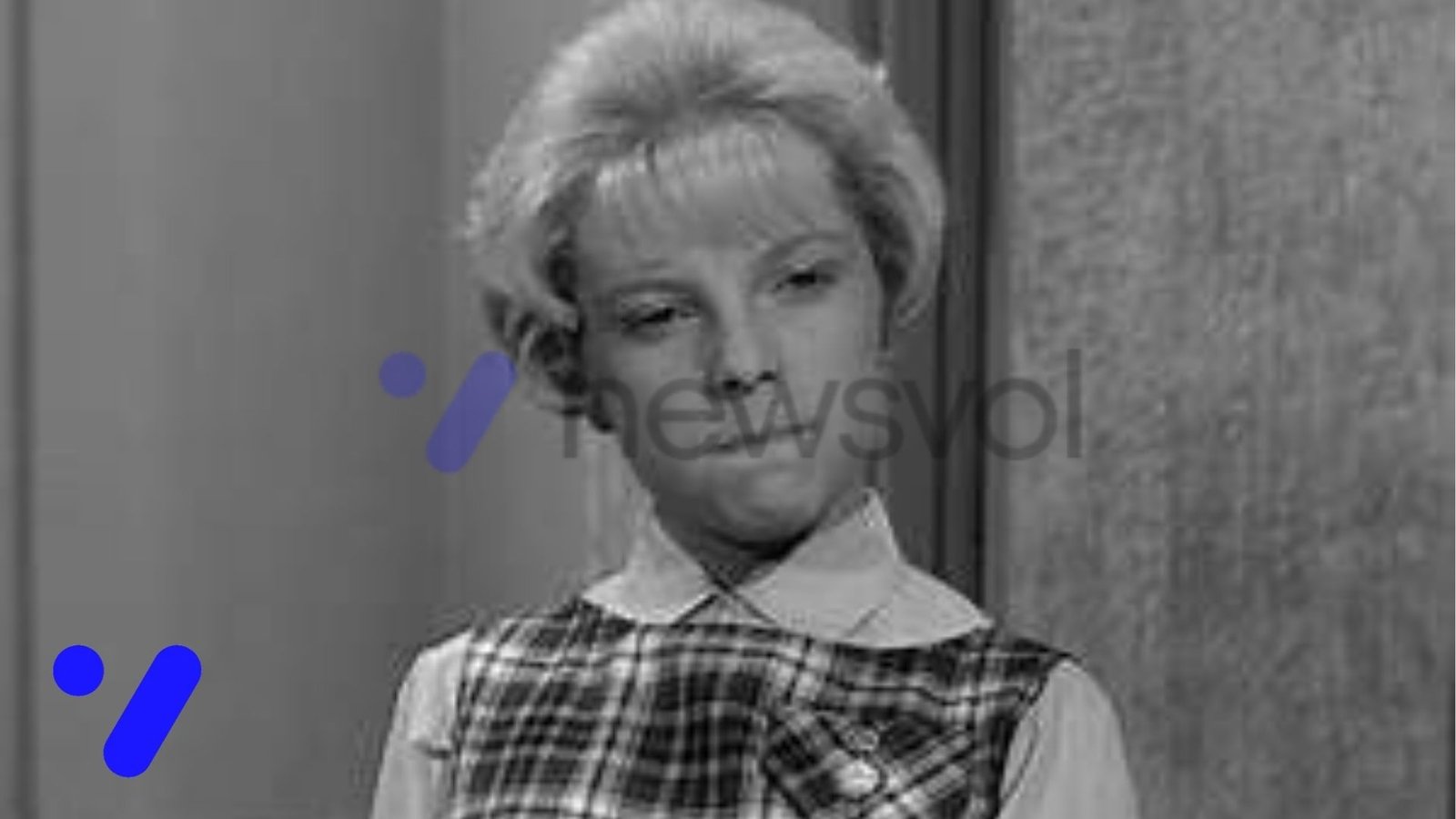
Karen Sue Trent remains one of those quietly influential figures in classic American television whose work continues to resonate decades after her time in the spotlight. Best known for her role as Penny Woods on the iconic sitcom Leave It to Beaver, she captured the hearts of audiences during a golden era of family-friendly entertainment. Her performances reflected innocence, charm, and relatability, making her a recognizable face in households across the United States. Although she was a child actress, her presence added depth to the show’s storytelling, contributing to its long-lasting cultural relevance. Today, her work is being rediscovered by new generations who appreciate vintage television and the simplicity it represents.
In recent years, Karen Sue Trent has experienced a renewed wave of interest, especially following her passing in 2022. Fans of classic TV and historians alike have revisited her contributions, highlighting her role in shaping early television narratives centered on family life. With streaming platforms bringing old sitcoms back into circulation, audiences are once again engaging with her performances. This resurgence has sparked curiosity about her life beyond the screen, her career trajectory, and her impact on the entertainment industry. As viewers continue to celebrate nostalgic television, Karen Sue Trent’s legacy stands as a reminder of the enduring charm of early Hollywood child stars and the timeless appeal of shows like Leave It to Beaver.
Quick Bio Table
| Full Name | Karen Sue Trent |
|---|---|
| Date of Birth | March 14, 1948 |
| Date of Death | October 21, 2022 |
| Place of Birth | Buckhannon, West Virginia, USA |
| Nationality | American |
| Profession | Child Actress |
| Famous Role | Penny Woods in Leave It to Beaver |
| Years Active | 1950s–1960s |
| Net Worth | Estimated $100,000–$500,000 |
| Marital Status | Private |
| Known For | Classic TV appearances |
| Industry Era | Golden Age of Television |
Early Life and Background
Karen Sue Trent was born on March 14, 1948, in Buckhannon, West Virginia, a small town that provided a quiet and grounded environment for her early years. Growing up in post-war America, she experienced a childhood shaped by traditional values and a close-knit community. Her upbringing played a significant role in shaping her personality, which later translated naturally into her on-screen performances. Even at a young age, she displayed a spark that hinted at her future in entertainment.
Her journey into acting began when her family recognized her natural talent and expressive personality. Like many child actors of her time, she entered the industry during an era when television was rapidly expanding, creating opportunities for young performers. Moving from a small town to the bustling world of Hollywood was a major transition, but Karen adapted quickly. Her ability to convey emotion with simplicity made her stand out among other child actors, setting the stage for her future success.
Career Breakthrough on Leave It to Beaver
Karen Sue Trent’s most defining career moment came when she was cast as Penny Woods in Leave It to Beaver. The show itself was a cultural phenomenon, portraying the everyday life of an American family with warmth and humor. Penny Woods, as a recurring character, brought a new dynamic to the storyline, often interacting with the main characters in memorable ways.
Her performance was notable for its authenticity. She didn’t rely on exaggerated expressions or dramatic delivery; instead, she embraced a natural style that aligned perfectly with the tone of the show. This approach made her character relatable and believable, which contributed to the show’s overall success. While she was not the central figure, her role added richness to the narrative and helped expand the world of the series.
Working on such a successful show at a young age also exposed Karen to the inner workings of the television industry. She learned professionalism early on, adapting to the demands of filming schedules and audience expectations. This experience not only defined her career but also left a lasting impression on viewers who still remember her contributions to the beloved sitcom.
Other Television Appearances and Acting Work
Beyond her role in Leave It to Beaver, Karen Sue Trent appeared in several other television projects during her acting years. The late 1950s and early 1960s were a busy time for television, with many shows seeking talented young actors. Karen’s experience and growing reputation made her a valuable addition to various productions.
Although her roles outside of her most famous appearance were not as widely recognized, they demonstrated her versatility as a performer. She was able to adapt to different storylines and characters, showcasing her ability to handle a range of acting challenges. These appearances helped solidify her place within the entertainment industry during her active years.
Her work during this period reflects the nature of the television landscape at the time, where actors often moved between shows and took on diverse roles. While she did not pursue a long-term career into adulthood, her contributions during these formative years remain an important part of her legacy.
Life After Acting and Career Transition
Like many child actors, Karen Sue Trent eventually stepped away from the entertainment industry. Transitioning out of acting can be challenging, especially for those who begin their careers at a young age. However, Karen chose a path that prioritized privacy and personal fulfillment over continued public attention.
Her decision to leave acting allowed her to explore other aspects of life away from the pressures of Hollywood. While details about her professional pursuits outside of acting remain limited, it is clear that she valued a quieter lifestyle. This choice reflects a broader trend among child actors of her era, many of whom opted to lead more private lives after their early fame.
Her transition highlights an important aspect of her story: success in Hollywood does not always define a person’s entire life. Karen’s ability to step away and maintain her privacy speaks to her grounded nature and personal priorities.
Personal Life and Private Nature
Karen Sue Trent maintained a notably private personal life, even during her time in the public eye. Unlike many modern celebrities, she did not seek media attention or public exposure beyond her professional work. This approach allowed her to maintain a sense of normalcy despite her early fame.
Details about her family, relationships, and personal experiences are not widely documented, which has only added to the intrigue surrounding her life. Her preference for privacy has been respected by fans and historians alike, who focus primarily on her professional contributions rather than speculation about her personal affairs.
This reserved nature is part of what makes her story unique. In an industry often characterized by constant visibility, Karen chose a different path, emphasizing authenticity and personal boundaries.
Legacy in Classic Television History
Karen Sue Trent’s legacy is closely tied to the enduring popularity of Leave It to Beaver. The show remains a cornerstone of classic American television, frequently referenced in discussions about early sitcoms and family-oriented programming. Her role as Penny Woods continues to be remembered by fans who appreciate the simplicity and charm of the series.
Her contributions also highlight the importance of supporting characters in television storytelling. While lead roles often receive the most attention, recurring characters like Penny Woods play a crucial role in enriching the narrative. Karen’s performance demonstrated how even smaller roles can leave a lasting impact.
As classic television continues to find new audiences, her work remains relevant. Streaming platforms and reruns have introduced her performances to viewers who were not alive during the show’s original run, ensuring that her legacy endures.
Cultural Impact and Renewed Popularity
The resurgence of interest in vintage television has brought renewed attention to Karen Sue Trent’s career. Shows like Leave It to Beaver are now being rediscovered by younger audiences who appreciate their wholesome storytelling and nostalgic appeal.
This renewed popularity has also sparked discussions about the contributions of child actors during the early days of television. Karen’s work is often cited as an example of how young performers helped shape the industry’s development. Her ability to connect with audiences remains a key reason why her performances continue to resonate.
Social media and online communities dedicated to classic TV have further amplified this interest. Fans share clips, discuss episodes, and celebrate the actors who brought these stories to life. Karen Sue Trent’s name frequently appears in these conversations, reflecting her lasting influence.
Challenges of Being a Child Star
Being a child actor comes with unique challenges, and Karen Sue Trent’s career was no exception. The demands of balancing work and personal life, along with the pressures of public attention, can be difficult for young performers to navigate.
During her time in the industry, there were fewer protections and support systems for child actors compared to today. Despite these challenges, Karen managed to build a successful career without becoming overwhelmed by the pressures of fame. Her ability to maintain a sense of normalcy is a testament to her resilience and the support she received from her family.
Her story serves as an example of both the opportunities and challenges associated with early success in Hollywood. It also highlights the importance of creating a supportive environment for young performers.
Final Years and Passing in 2022
Karen Sue Trent passed away on October 21, 2022, marking the end of a life that had touched many through her work in television. Her passing prompted an outpouring of tributes from fans and those who appreciated her contributions to classic entertainment.
In the years leading up to her passing, she remained largely out of the public eye, continuing to value her privacy. However, her legacy lived on through the continued popularity of her work. Fans revisiting Leave It to Beaver found comfort in her performances, celebrating the joy she brought to audiences.
Her passing also served as a reminder of the fleeting nature of time and the lasting impact of art. Even though her career was relatively brief, her contributions continue to be appreciated by those who value the history of television.
Final Thoughts
Karen Sue Trent’s journey from a small-town girl to a beloved child actress reflects both the opportunities and complexities of early television fame. Her role in Leave It to Beaver secured her place in entertainment history, while her decision to step away from the spotlight demonstrated her commitment to a balanced and private life. Although her time in Hollywood was limited, the impact she made continues to resonate with audiences today.
Her legacy is not defined solely by her on-screen work but also by the way she navigated her life beyond it. In an industry often characterized by constant change, Karen’s story stands as a reminder of the enduring power of authenticity and simplicity. As classic television continues to be rediscovered, her contributions will remain an important part of its history.
FAQs
Who was Karen Sue Trent?
Karen Sue Trent was an American child actress best known for her role as Penny Woods on the classic sitcom Leave It to Beaver.
What role did Karen Sue Trent play in Leave It to Beaver?
She played Penny Woods, a recurring character who added depth and charm to the show’s storyline.
When was Karen Sue Trent born and when did she pass away?
She was born on March 14, 1948, and passed away on October 21, 2022.
Did Karen Sue Trent continue acting as an adult?
No, she stepped away from acting after her childhood career and chose to live a more private life.
Why is Karen Sue Trent still remembered today?
She is remembered for her contributions to classic television and her role in one of the most beloved sitcoms in American history.

Telephone Code 603: A Dark Religious Horror Story Built Around a Forbidden Call

Who is Jackie Witte? The Untold Story of Paul Newman’s First Wife and Her Quiet Legacy in Hollywood

Michael Roberts and Alana de la Garza: The Creative Force Behind Writing, Action Design, and Life

Who Is Christine Golic? Inside the Life, Lifestyle, and Success Story of Mike Golic’s Wife

Who Is Hélène Patarot? The French-Vietnamese Actress Behind Stage, Screen, and a Remarkable Artistic Legacy

Who Is Claire Mulaney? Inside Her Comedy Journey, Lifestyle, Net Worth, and Family Story
-
Celebrity7 months ago
Who Is Christine Golic? Inside the Life, Lifestyle, and Success Story of Mike Golic’s Wife
-
Celebrity8 months ago
Who Is Hélène Patarot? The French-Vietnamese Actress Behind Stage, Screen, and a Remarkable Artistic Legacy
-
 Celebrity7 months ago
Who Is Elizabeth Astin? Inside Her Inspiring Lifestyle, Net Worth, Family Tree, and Success Story
-
Celebrity8 months ago
Who Is Claire Mulaney? Inside Her Comedy Journey, Lifestyle, Net Worth, and Family Story
-
 Celebrity7 months ago
Who Is Janet Broderick Kraft? Inside the Life, Ministry, Family Legacy, and Success Story of Matthew Broderick’s Sister
-
 Celebrity7 months ago
Who Is Laurence Ronson? Inside the Life, Lifestyle, Net Worth, and Success Story of the Ronson Family Patriarch
-
 Celebrity7 months ago
Who Is Renee Berry? Inside the Private Life, Family Background, and Untold Story of Halle Berry’s Half-Sister
-
 Celebrity7 months ago
Who Is Jennifer Russo? Inside Her Private Life, Family Ties, Net Worth, and Success Story